










About Rob Ryan
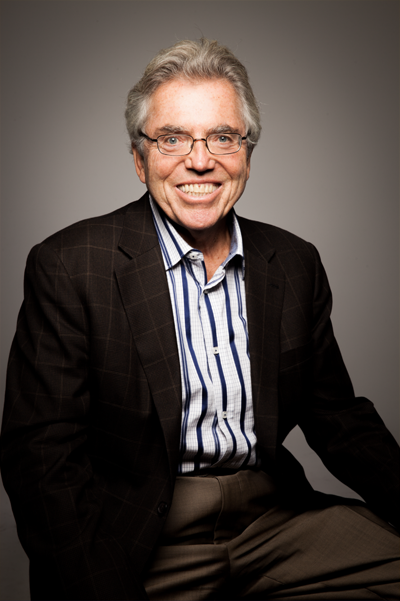
Rob Ryan in the snow

Rob Ryan founded Ascend Communications in 1989. Rob served as President, CEO, and Chairman of Ascend, taking it public Friday the thirteenth of May, 1994, at $13.00 per share. In 1995 Rob and Terry started Entrepreneur America.
Rob gained his first experience in Local Area Networking as a Systems Analyst at Lawrence Livermore Lab in the mid-seventies working on the first non-military extension of Arpanet, the precursor to the Internet.
He became a principle architect of Dec Net with Digital Equipment Corp. in the late seventies, then authored the Intel portion of the Ethernet Specification which set the local area network standard in the early eighties. He joined Ungermann-Bass as Director of Engineering in 1982, leaving in 1983 to found his first company, SoftCom, which was sold to Hayes Microcomputer in 1984. In 1989, Rob left Hayes with three engineers to found Ascend.
Under Rob's leadership, Ascend became the leading manufacturer of Point of Presence boxes (POPS) for Internet providers. Rob describes Ascend's business as selling the picks and shovels for the Internet gold rush. Ascend has grown from zero sales in 1989 to over 500 million sales in 1996. In 1995, the last year Rob served as CEO of Ascend, the stock was acknowledged as the best performer of the year on all of Wall Street returning a whopping 721% (Business Week, December 25, 1995; pp. 126-127). If you had invested in Ascend two months after the IPO, you would have gained 3,223% one and three quarters years later (Investors Business Daily August 30, 1996; p. A3). At the end of 1995, Rob won the Ernst and Young Entrepreneur of the Year award for Northern California (including Silicon Valley). Rob was selected as the Cornell University Entrepreneur of the Year for 2002.
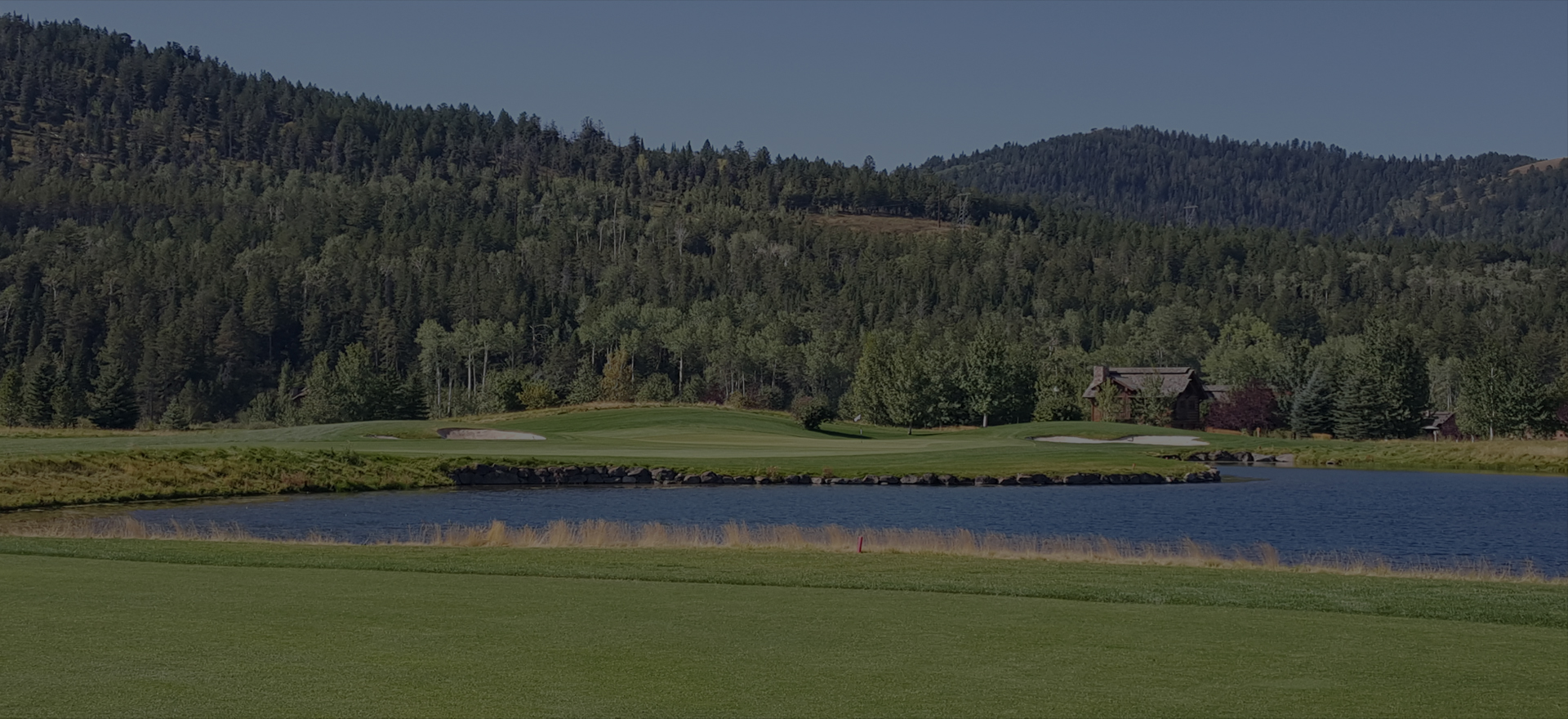
Rob Ryan's current focus is his Entrepreneur America facility in Montana. In this Rocky Mountain setting Rob mentors promising entrepreneurs, assisting with focusing product ideas, writing business plans, sharpening presentations, and raising venture capital.
How has EA done in mentoring entrepreneurs?
EA is not a venture group. Rob looks at startups, some of which get invited to the Montana boot camp, most of which don't. If there is a fit between Rob and the founding team and the Board of Directors, Rob invests and agrees to be on the BOD, There is an informal circle of friends that Rob invites to look at the startup. Sometimes people invest. All the investors are very sophisticated.
So how does one judge success in EA mentoring. I look at it several ways 1. Am I having an impact on entrepreneurs, whether or not I ever go on the Board or invest, 2. Am I enjoying the interactions with entrepreneurs, especially those I mentor and 3. Does it return a profit in the traditional sense of returns?
Here are just some of EA’s past success stories:
-- Silicon Spice - $1.2 billion, sold to Broadcom

-- LookSmart - $2 billion, market cap, IPA Goldman Sachs

-- NetCracker - $300 million, sold to NEC

-- RightNow - IPO, over $1B market cap, current market cap

Here are a couple of EA's current stars:
-- Dilithium - www.dilithiumnetworks.com

-- PatientKeeper - www.patientkeeper.com

Am I having an impact?
I have taught at Cornell for several years as the "Entrepreneur -in - Residence" at the Johnson School (MBA). I have given many lectures to undergrads at Cornell and other institutions; Cornell uses my book "Smartups" in their introductory entrepreneurship course, well attended by hundreds of students. I think there are many ways to help, sometimes you inspire a young entrepreneur and perhaps sometimes you discourage someone from spending money, time and their life on what appears to be a dead-end.
Here is an article about Rob winning Entrepreneur of the Year Award from Cornell University .
Traditional sense of returns
When I join a Board, it is long term commitment. For example, Patientkeeper has been 8 years. At any instance in time, I don't want to be on more than 5 or so Boards. When a company is sold, as Netcracker recently was, I resign from the Board. Therefore a slot is open on my dance card. I try to keep a mix of companies, some that have just started the journey, some in the middle and some closer to a liquidity event. I have averaged a significant liquidity event every other year. Overall that represents over half of my companies have had a liquidity event. For example, recently back in Dec 2008 NetCracker was sold to NEC for 300 plus million. The founding team of Michael, Andrew and Bonnie started that company back in 2001; course corrections were made when I joined. I was the only outside Board member.
Who are the other players in EA?
There are three significant people in EA, Rob, Rob's wife Terry. Tim assistant for EA and overall for the entire ranch. Terry and Rob have been married for 40yrs, so Terry's reflections or views on the entrepreneurs is always interesting. As a side note Terry has named several of the companies including Ascend and Silicon Spice. Tim is your primary contact person when you are coming to the ranch or trying to interact with Rob. EA operates simply with Rob out of the Montana ranch. There are no consultants, associates, MBA's or other partners.
Montana    Hawaii


Contact Us | Contact Webmaster